
A scratchy throat on Monday can make even the most health-conscious routine feel urgent. You may reach for tea, vitamin C, and an echinacea supplement before the sniffles take hold. But can echinacea actually help prevent a cold, or is it simply one of those traditional remedies that sounds better than the science behind it?
The answer is more encouraging than you might expect, although it comes with an important caveat: echinacea is not a guaranteed shield against every cold, but research suggests that certain preparations may offer immune support and may reduce the likelihood of developing a cold or help with symptoms in some adults.1
That makes echinacea an interesting option for people who prefer to include traditional herbal remedies as part of a broader cold-season routine. Rather than thinking of it as a miracle cure, think of it as one more tool in your natural wellness toolkit—alongside adequate sleep, nutritious food, regular movement, and sensible infection-prevention habits.
Can Echinacea Prevent Colds? The Evidence Is Mixed—but Promising
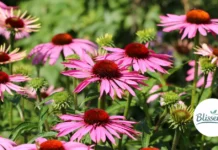
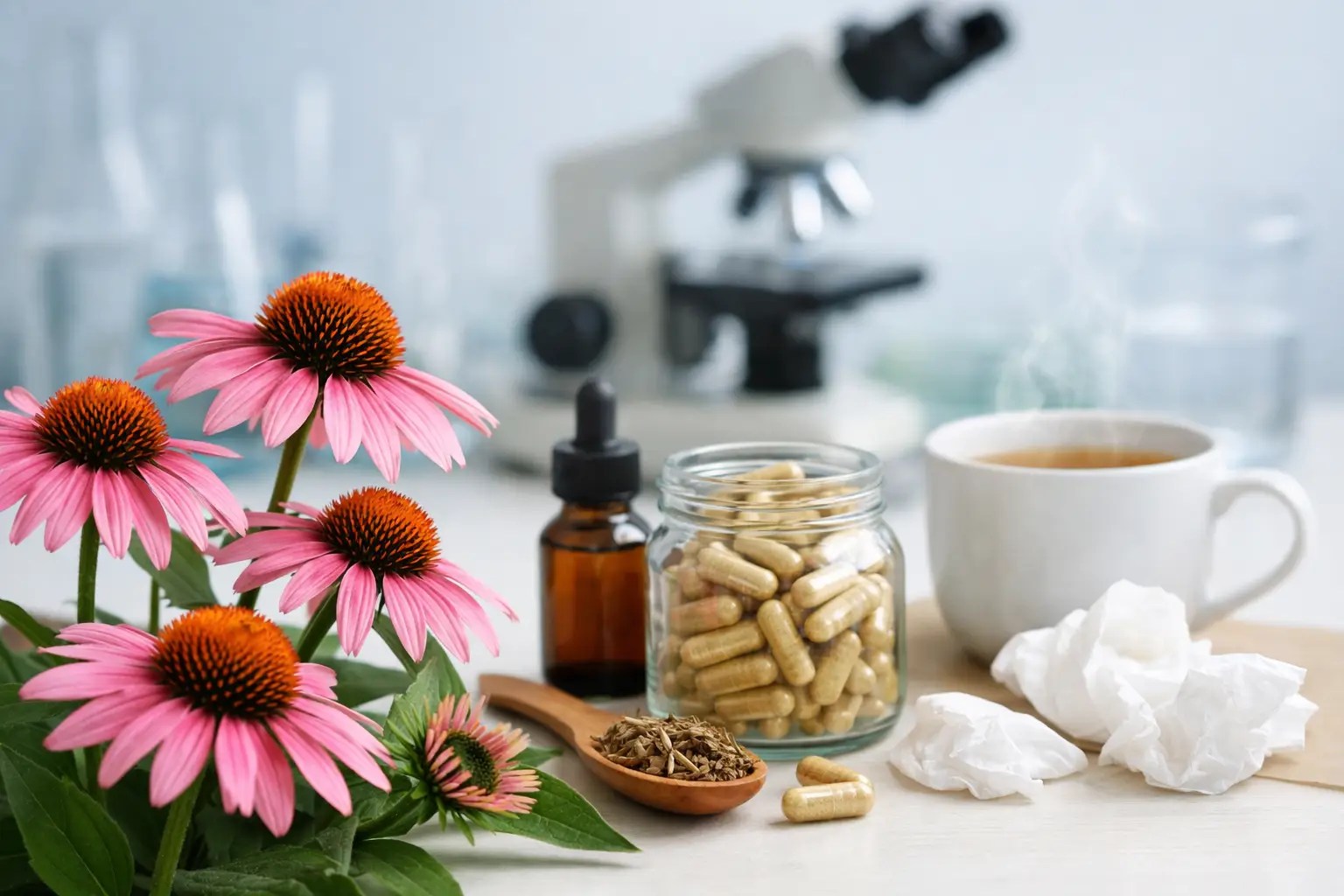
Echinacea is not one single ingredient. It is a family of flowering plants, and supplements may use different species, plant parts, preparations, and doses. The most common varieties are Echinacea purpurea, Echinacea angustifolia, and Echinacea pallida. A tea made from one plant part is not necessarily comparable to a standardized capsule or liquid extract made from another.
That variation helps explain why research has produced different results. Some clinical research suggests that echinacea may reduce the risk of developing a cold, while other studies have found little or no significant difference. Reviews of the evidence generally describe the potential preventive effect as small rather than dramatic; importantly, some analyses have found a consistent trend toward fewer respiratory infections even when the overall clinical significance remains uncertain.2
A practical way to interpret the evidence is this: echinacea may be worth considering as an optional layer of support, particularly if you are generally healthy and tend to reach for traditional herbal remedies during cold season.
It May Be Especially Worth Considering at the First Sign of Symptoms
For many people, the more relevant question is not whether echinacea can stop every cold before it starts. It is whether it may be useful when you notice the familiar early signs: a dry throat, low energy, a runny nose, or that vague feeling that something is brewing.
Starting echinacea early can be a reasonable strategy for someone who already knows they tolerate the herb well. Think less “cold canceled” and more “I may be giving my body an additional layer of herbal support when it matters most.”
Timing may matter because your immune response is already underway before you recognize the first symptoms. Still, more is not automatically better. Follow the product directions, use a clearly identified preparation, and avoid combining several echinacea-containing products simply because you want a stronger effect.
Choosing an Echinacea Product With More Confidence
If you decide to try echinacea, choosing thoughtfully matters more than choosing the biggest bottle or the most aggressive claim on the label.
Look for a product that clearly identifies the echinacea species used, the plant part included, and the amount per serving. This is particularly important because studies have used substantially different echinacea preparations; results from one preparation cannot automatically be applied to every echinacea product on the market.
Standardized extracts can offer greater consistency than an unspecified powdered herb, although standardization alone does not guarantee that a product will prevent a cold. Third-party quality testing can also be useful because it provides additional information about whether a product contains what its label claims.
There is another option that is especially appealing to people who enjoy growing and preparing their own herbs: grow echinacea yourself.
The Medicinal Garden Kit by Dr. Nicole Apelian includes echinacea seeds along with seeds for nine other traditional medicinal garden plants. The kit is designed to help beginners grow the herbs themselves and includes a guide covering cultivation and traditional preparations.
Learn more about Dr. Nicole Apelian’s Medicinal Garden Kit
Growing your own echinacea obviously does not make the resulting herb automatically more effective than a well-made supplement. What it does provide is something different: control over what you grow, an opportunity to learn the plant firsthand, and a long-term supply of an herb that has a history of traditional use. For someone interested in building a home medicinal garden, that can be a worthwhile advantage.
Tea can also be a comforting option when you have a sore throat or simply want a caffeine-free warm drink. Just recognize that herbal tea may deliver a different and often less concentrated preparation than a capsule, tablet, or tincture.
Follow the product label rather than mixing multiple echinacea formulas. A capsule, an immune blend, a tea, and a tincture may all contain echinacea, and stacking them can make your total intake difficult to track.
Who Should Be Careful With Echinacea?
“Natural” does not mean risk-free. Echinacea is generally well tolerated in clinical studies, but side effects can occur, including gastrointestinal discomfort and allergic reactions. People who are particularly sensitive to plants in the daisy family—including ragweed, chrysanthemums, marigolds, and daisies—may need to be especially cautious.3
Talk with a clinician or pharmacist before using echinacea if you have an autoimmune condition, take immunosuppressive medication, are receiving cancer treatment, have a chronic medical condition, or take multiple medications. Herbal products can interact with medicines, and the appropriate choice depends on your individual situation.
Pregnant or breastfeeding people should also get individualized guidance before taking echinacea because safety information in these groups is more limited. The same goes for children; do not assume an adult formula is appropriate simply because it is herbal. NCCIH also recommends consulting a child’s health care provider before giving echinacea to a child.
If you develop trouble breathing, facial swelling, widespread hives, severe symptoms, or symptoms that are getting worse rather than better, seek medical care promptly. A lingering fever, chest pain, shortness of breath, dehydration, or a cold-like illness that keeps returning deserves more than another supplement trial.
A Smart Way to Think About Echinacea and Immune Supplements
Wellness products are most useful when they fit into a clear plan. Before adding echinacea, ask what problem you are trying to solve. Are you getting repeated colds because you are sleeping five hours a night? Are you under-fueling after workouts? Are you frequently around young children or working in close indoor quarters? The answer may point to a higher-impact change.
And if you enjoy the idea of going one step further, growing echinacea in your own medicinal garden can turn an herbal supplement into a skill you can continue developing year after year. The Medicinal Garden Kit from Dr. Nicole Apelian includes echinacea seeds along with nine other medicinal plants and is designed for people who want to learn how to cultivate and work with herbs at home.
Explore the Medicinal Garden Kit by Dr. Nicole Apelian
A healthy cold-season routine does not need to be perfect or expensive. A nourishing dinner, a walk outside, a full night of sleep, sensible infection-prevention habits, and a well-chosen herbal remedy such as echinacea when appropriate can be a sustainable approach. And for those who prefer to grow their own herbs, planting echinacea is a simple way to begin building a medicinal garden that can support your interest in natural wellness for seasons to come.
Sources:
- National Center for Complementary and Integrative Health – Echinacea – https://www.nccih.nih.gov/health/echinacea
- National Center for Complementary and Integrative Health – The Common Cold and Complementary Health Approaches: What the Science Says – https://www.nccih.nih.gov/health/providers/digest/the-common-cold-and-complementary-health-approaches-science
- National Center for Complementary and Integrative Health – Echinacea – https://www.nccih.nih.gov/health/echinacea