

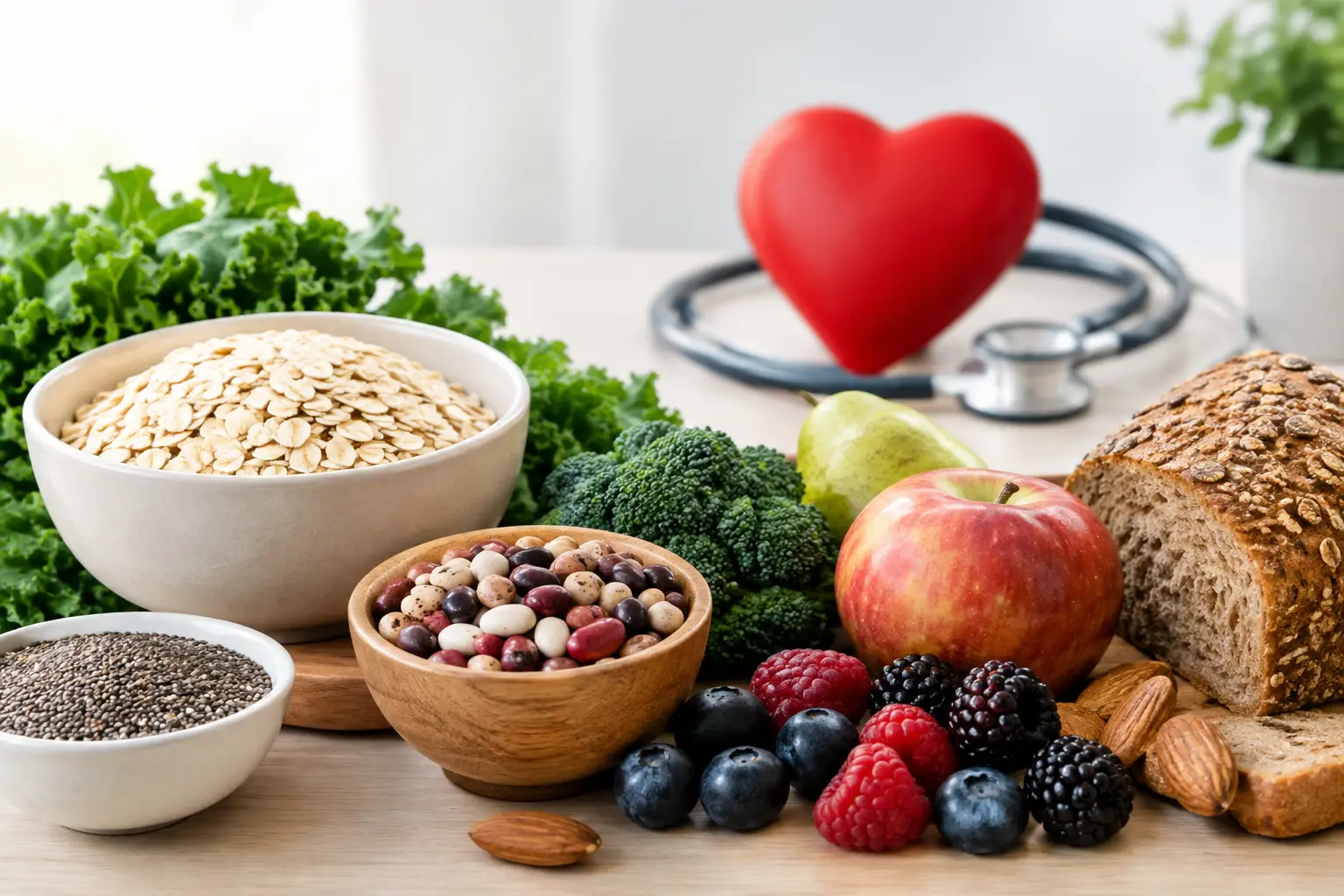

That bowl of oatmeal, side of beans, or handful of berries may do more for your heart than simply help you stay full. If you have been asking, can fiber improve cholesterol levels, the evidence points to yes, especially when you focus on soluble fiber and make it a consistent part of your eating pattern.
Fiber is not a replacement for prescribed cholesterol medication, and it will not erase the effects of smoking, inactivity, or a diet built around highly processed foods. Still, it is one of the most practical food-based tools for supporting healthier LDL cholesterol, often called “bad” cholesterol. Better yet, many high-fiber foods also bring plant compounds, minerals, and steady-energy benefits along with them.
Can Fiber Improve Cholesterol Levels? Yes, Especially Soluble Fiber
Dietary fiber is the part of plant foods your body does not fully digest. It is commonly grouped into two categories: soluble and insoluble. Both support health, but soluble fiber has the clearest direct connection to lower LDL cholesterol.
Soluble fiber absorbs water and forms a gel-like material in the digestive tract. This slows digestion and can bind with bile acids, compounds your liver makes from cholesterol to help digest fat. When some of those bile acids leave the body in stool, the liver needs to make more. To do that, it pulls cholesterol from the bloodstream, which can help reduce LDL levels over time.
Insoluble fiber does not work in quite the same way, but it still matters. Found in foods such as wheat bran, vegetables, and whole grains, it supports regular bowel movements and contributes to the overall benefits of a plant-forward eating pattern. Think of soluble fiber as the cholesterol-focused player and insoluble fiber as part of the supportive team.
Research consistently suggests that adding soluble fiber can produce a modest but meaningful LDL reduction. The exact change varies based on your starting cholesterol level, genetics, total diet, exercise habits, and whether you take medication. For someone with high LDL, a small improvement from food is still valuable, particularly because it can add to the benefits of other healthy changes.
The Fiber Foods Most Likely to Help LDL
Oats are a familiar starting point because they contain beta-glucan, a well-studied type of soluble fiber. Regular oatmeal, overnight oats, and minimally sweetened oat bran can all fit. Be cautious with flavored instant packets, which can carry more added sugar than you expect.
Beans, lentils, and split peas are another powerful choice. They provide soluble fiber, plant protein, and a satisfying texture that can make meals feel substantial without relying heavily on processed meats or refined carbohydrates. Adding lentils to soup, black beans to a grain bowl, or chickpeas to a salad is a realistic way to make this habit stick.
Fruit can help, too. Apples, pears, citrus fruits, berries, and prunes contain varying amounts of soluble fiber, including pectin. Whole fruit is generally a better choice than juice because juicing removes much of the fiber and makes it easier to consume a large amount of sugar quickly.
Other useful options include barley, okra, eggplant, chia seeds, ground flaxseed, psyllium husk, nuts, and seeds. Psyllium deserves special mention: it is a concentrated soluble fiber often sold as a powder or mixed into fiber supplements. It can be effective, but it works best when used with enough water and introduced gradually.
How Much Fiber Should You Aim For?
General daily fiber targets are about 25 grams for women and 38 grams for men, though needs can vary with age, energy intake, and medical conditions. Many US adults fall well short of these amounts, largely because packaged snacks, refined grains, and fast-food meals tend to be low in fiber.
For cholesterol support, getting roughly 5 to 10 grams of soluble fiber per day is often a useful target. You do not need to calculate every gram forever. Instead, build repeatable patterns: a high-fiber breakfast, beans or lentils several times a week, whole fruit most days, and more whole grains in place of refined ones.
A day might include oatmeal topped with berries and ground flax at breakfast, a lentil-and-vegetable lunch, an apple with nuts for a snack, and barley or beans alongside dinner. That approach supports fiber intake naturally while also crowding out foods that can push cholesterol in the wrong direction, such as processed meats, deep-fried foods, and snacks rich in saturated fat.
Increase Fiber Slowly to Avoid the Uncomfortable Part
Going from very little fiber to a large amount overnight can lead to gas, bloating, cramping, or changes in bowel habits. This does not mean fiber is bad for you. It usually means your gut needs time to adjust.
Increase your intake over a couple of weeks rather than making a dramatic switch in a single day. Drink water regularly, especially if you use psyllium or add chia seeds and flaxseed to meals. A practical first step is swapping white toast for oatmeal a few mornings per week or adding a half-cup of beans to one meal each day.
If you have irritable bowel syndrome, inflammatory bowel disease, a history of bowel narrowing, or unexplained digestive symptoms, your ideal fiber approach may look different. Certain high-fiber foods can aggravate symptoms for some people. A clinician or registered dietitian can help you find options that support both digestion and heart health.
Fiber Works Better With the Rest of Your Plate
Fiber can improve cholesterol levels, but it is not a free pass for the rest of the diet. A muffin made with oat bran can still be high in added sugar and saturated fat. Likewise, taking a fiber supplement while regularly eating large amounts of processed meat, butter, and fried food may limit the results you see.
For a more heart-supportive pattern, pair fiber-rich foods with unsaturated fats from olive oil, avocado, nuts, seeds, and fatty fish. Choose protein sources such as beans, tofu, fish, poultry, and plain Greek yogurt more often than processed meats. When you buy packaged foods, check both the fiber line and the saturated-fat line on the Nutrition Facts label. “Multigrain” or “made with whole grains” does not always mean a food is truly high in fiber.
Movement matters, too. Regular walking, strength training, cycling, or any activity you can maintain supports cardiovascular health and may improve cholesterol markers alongside food changes. Sleep, stress, alcohol intake, thyroid health, and menopause can also affect cholesterol, which is why a single-food solution rarely tells the whole story.
When Food Changes Are Not Enough
If your LDL is very high, you have diabetes, kidney disease, known heart disease, or a strong family history of early heart attacks or strokes, do not rely on fiber alone. Some people have inherited cholesterol conditions that need medical treatment even when their diet is excellent.
Talk with your healthcare professional about your lipid panel and overall cardiovascular risk. Ask which number needs attention: LDL, non-HDL cholesterol, triglycerides, or all of the above. If you use a fiber supplement, mention it, since fiber can affect the timing or absorption of certain medications. Taking medications at a separate time from a fiber supplement may be recommended.
A follow-up cholesterol test after a few months of consistent changes can show whether your new routine is making a measurable difference. That feedback is more useful than guessing based on how “healthy” a meal feels.
Start with one dependable upgrade this week: trade a low-fiber breakfast for oats, add beans to a meal you already enjoy, or keep pears and apples where you can see them. Small choices repeated most days give fiber the chance to do what it does best: support your gut, your appetite, and the long-term health of your heart.