

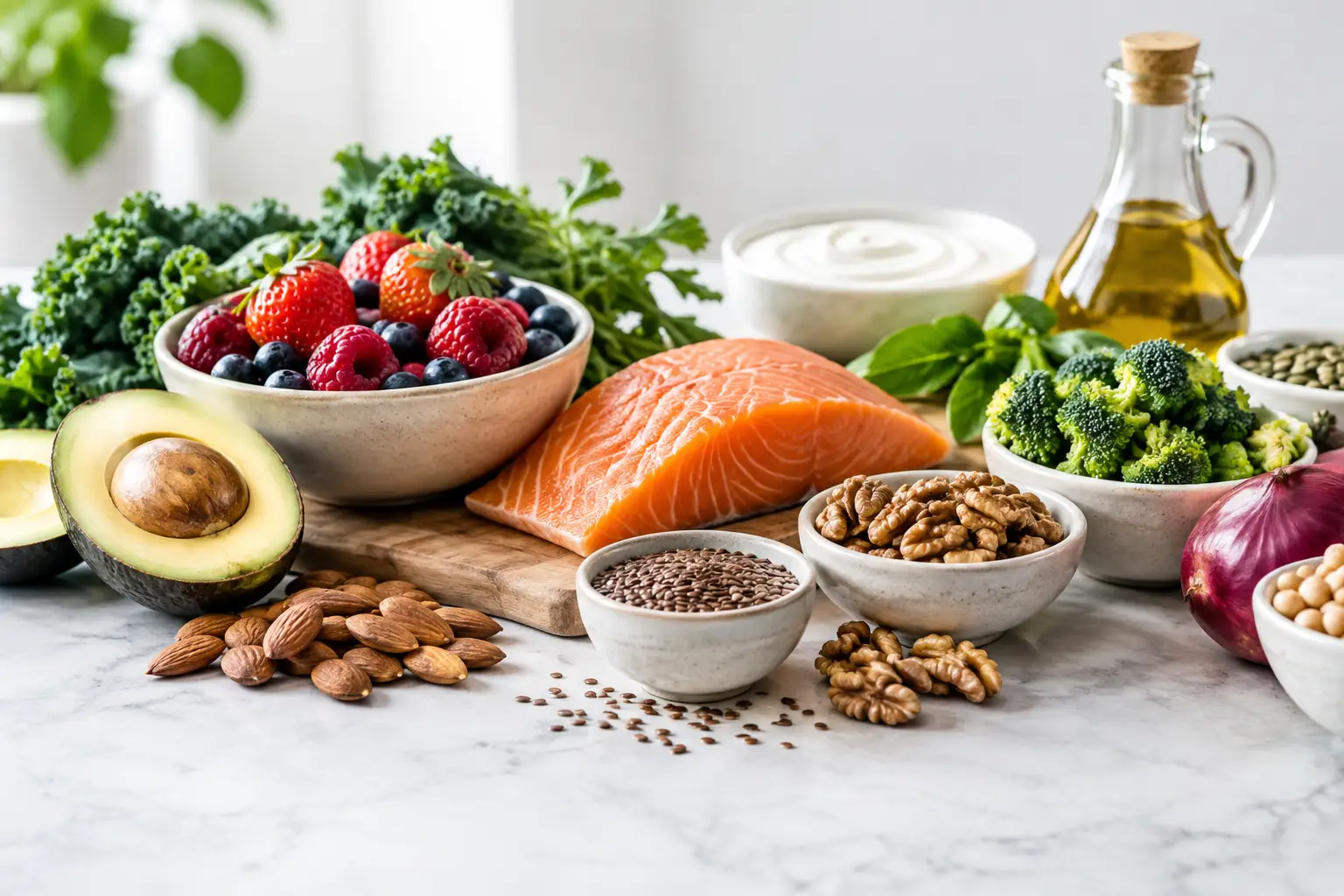

If your cycle has become unpredictable, hot flashes are disrupting sleep, or you simply feel unlike yourself, food can seem like the most accessible place to start. The best foods for estrogen balance will not “reset” hormones overnight, but a fiber-rich, minimally processed eating pattern can support the systems that process and respond to estrogen – including your gut, liver, blood sugar regulation, and overall nutrient status.
That distinction matters. Estrogen is not one number everyone needs to lower or raise. Levels naturally shift across the menstrual cycle, during perimenopause and menopause, in pregnancy, and with certain medications and health conditions. The goal is not to chase a perfect hormonal score. It is to give your body reliable nutrition while getting persistent or severe symptoms properly evaluated.
What “estrogen balance” really means
Estrogen is a group of hormones with jobs far beyond reproduction. It affects bone health, brain function, skin, cholesterol, vaginal tissue, and more. Before menopause, estrogen rises and falls in a monthly rhythm. During the menopause transition, fluctuations can be dramatic before levels settle lower after menopause.
Food cannot diagnose or treat conditions such as polycystic ovary syndrome (PCOS), endometriosis, thyroid disease, uterine fibroids, or hormone-sensitive cancers. Still, dietary habits can influence factors often discussed alongside estrogen, including inflammation, insulin resistance, bowel regularity, and body weight changes.
Rather than a harsh “hormone detox,” think in terms of daily support: enough fiber to keep digestion moving, enough protein to steady meals, plenty of plants for micronutrients, and fewer ultra-processed foods that crowd out nourishing options.
Best foods for estrogen balance: start with fiber
Fiber is one of the most useful, least glamorous tools in a hormone-supportive eating pattern. Some estrogen metabolites leave the body through bile and stool. Regular bowel movements help support this normal elimination process. Fiber also feeds beneficial gut microbes, helps soften blood sugar spikes after meals, and may support heart health – all valuable through midlife and beyond.
Most adults would benefit from gradually eating more high-fiber foods and drinking enough fluids alongside them. A sudden jump can cause uncomfortable gas or bloating, so add one serving at a time.
Ground flaxseed
Ground flaxseed is often at the top of estrogen-focused food lists because it contains lignans, natural plant compounds classified as phytoestrogens. Phytoestrogens can interact with estrogen receptors, but they are much weaker than the estrogen your body makes. Their effects can differ by tissue, dose, gut microbiome, and life stage.
Flax also delivers fiber and plant-based omega-3 fats. Try one to two tablespoons of ground flaxseed in oatmeal, yogurt, smoothies, or pancake batter. Choose ground rather than whole flax for better digestion and absorption, and store it in the refrigerator or freezer to protect its oils.
Beans, lentils, and chickpeas
Beans and lentils offer a powerful combination of fiber, plant protein, iron, magnesium, and folate. They can be especially helpful for people whose meals tend to be built around refined carbs alone, such as a bagel for breakfast or crackers for lunch. Pairing carbohydrates with protein and fiber can support steadier energy and fewer intense hunger swings.
Use canned low-sodium beans for convenience. Rinse them, then add them to soups, grain bowls, tacos, or salads. If legumes make you gassy, start with a small portion and increase slowly.
Whole grains and fruit
Oats, barley, brown rice, quinoa, and 100% whole-grain bread contribute fiber without requiring you to overhaul every meal. Fruit adds fiber plus vitamins and protective plant compounds. Berries, apples, pears, oranges, prunes, and kiwi are particularly practical choices when constipation is part of the picture.
You do not need to fear fruit because it contains natural sugar. Whole fruit comes packaged with water and fiber. The bigger concern for many people is frequent intake of sugary drinks, desserts, and refined snack foods that add calories without much nutritional value.
Soy foods deserve a more accurate reputation
Soy is another food that causes confusion because it contains isoflavones, a type of phytoestrogen. But eating traditional soy foods is not the same as taking a high-dose hormone supplement. Research on foods such as tofu, tempeh, edamame, and unsweetened soy milk generally supports their place in a healthy dietary pattern.
For some people, especially during menopause, soy foods may modestly help with hot flashes. They also provide protein, and many soy foods are low in saturated fat when they replace processed meats or full-fat cheese.
The practical choice is food first. A tofu stir-fry, edamame snack, or soy yogurt is a more predictable starting point than concentrated isoflavone pills. If you have a personal history of breast cancer, are receiving endocrine therapy, or have been advised to limit soy, ask your oncology team or clinician what is appropriate for you. Individual guidance matters more than a generic social media rule.
Cruciferous vegetables support a plant-forward plate
Broccoli, cauliflower, cabbage, Brussels sprouts, kale, bok choy, and arugula are often promoted for estrogen metabolism because they contain glucosinolates, sulfur-containing compounds that the body breaks down during digestion. The research is promising, but these vegetables are not a prescription for “clearing excess estrogen.”
Their clearest benefit is that they are nutrient-dense, high in fiber, and easy to rotate into meals. Roast broccoli with olive oil, shred cabbage into a slaw, add kale to a bean soup, or use bok choy in a quick skillet meal. Variety matters because different plants feed different gut microbes and provide different protective compounds.
If you have hypothyroidism, normal servings of cooked cruciferous vegetables are usually compatible with a healthy diet. Avoiding them entirely is rarely necessary. The bigger issue is making sure thyroid medication timing and treatment are managed with your healthcare professional.
Include enough protein and healthy fats
Hormonal wellness conversations often focus so narrowly on “special” foods that people forget the basics. Under-eating protein, skipping meals, or relying on coffee until midafternoon can worsen fatigue, cravings, and mood changes that may be mistaken for a hormone problem.
Build meals around a satisfying protein source: eggs, fish, Greek yogurt, chicken, tofu, tempeh, beans, lentils, or cottage cheese. Add fats from foods like avocado, walnuts, chia seeds, olive oil, and fatty fish. Salmon, sardines, and trout provide omega-3 fats that support cardiovascular health, an especially important consideration as estrogen declines after menopause.
No single fat or supplement can “fix” hormones. But a meal of salmon, roasted vegetables, and barley will likely serve your energy and fullness better than a low-protein snack bar eaten on the run.
Foods and habits that can work against your goals
There is no need for a restrictive estrogen diet. Still, it is worth noticing patterns that leave you undernourished or make symptoms harder to manage. Frequent alcohol intake can raise breast cancer risk and may worsen sleep or hot flashes for some people. Highly processed foods can displace fiber, protein, and micronutrient-rich options. Very low-calorie dieting may also disrupt menstrual cycles and reduce energy availability, particularly in active adults.
Caffeine is more individual. Some people notice that coffee intensifies anxiety, breast tenderness, or hot flashes, while others tolerate it well. Instead of assuming you must quit, try tracking your symptoms and timing for two weeks. A simple experiment gives you more useful information than broad food fear.
A realistic day of hormone-supportive eating
A practical pattern might look like oats with berries, Greek yogurt, and ground flaxseed at breakfast. Lunch could be a lentil and vegetable soup with whole-grain toast. At dinner, try baked tofu or salmon with brown rice and roasted broccoli. Snacks might include fruit with nuts, edamame, or hummus with vegetables.
This is not a rigid plan, and it does not require eating soy or flax every day. The value comes from the pattern: plants at most meals, reliable protein, high-fiber carbohydrates, and fewer foods that leave you hungry again an hour later.
When food is not enough
Talk with a clinician if you have very heavy bleeding, bleeding after menopause, skipped periods along with possible pregnancy, pelvic pain, new facial hair or severe acne, unexplained weight changes, or hot flashes and insomnia that are affecting daily life. These symptoms deserve more than an online nutrition fix.
Also be cautious with “estrogen balance” supplements, especially blends containing concentrated herbs or hormone-like compounds. Natural does not automatically mean risk-free, and supplements can interact with medications or be poorly matched to your health history.
Start with one change you can repeat this week: add ground flax to breakfast, replace one refined snack with fruit and nuts, or make beans part of dinner. The most supportive food plan is not the most restrictive one. It is the one that helps you feel steadily nourished while leaving room to listen to what your body – and your healthcare team – is telling you.