
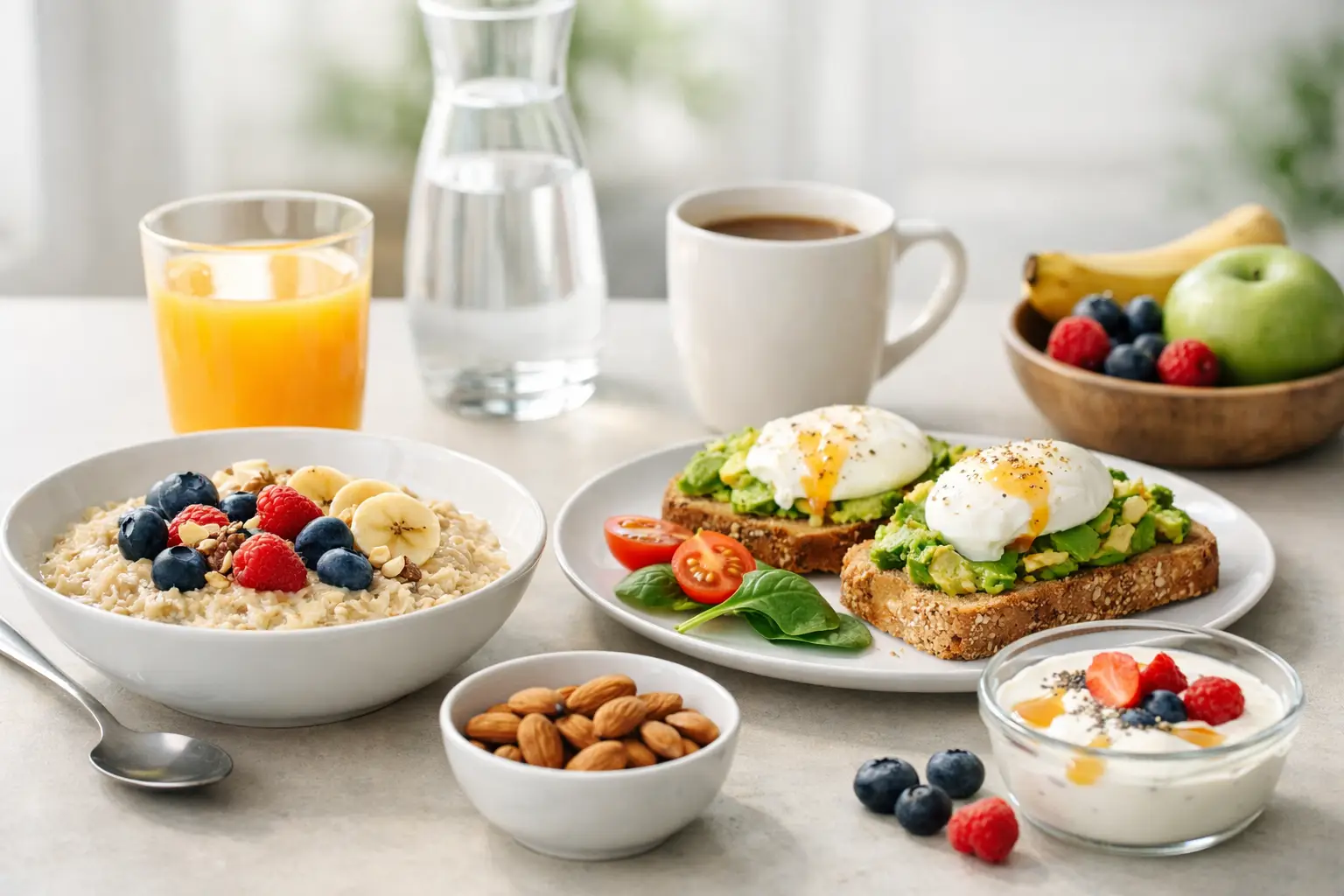
A sweet coffee drink and a pastry can feel like a quick win at 7:30 a.m. Then comes the familiar 10:30 slump: shaky concentration, an urgent need for another coffee, and a search for something crunchy or sweet. The best breakfast for steady energy is not about eating perfectly or forcing down a giant meal, it’s about giving your body enough protein, fiber-rich carbohydrates, and healthy fat to keep blood sugar, hunger, and focus on a more even track.
For many people, especially adults juggling work, training, care giving, or changing energy needs after 50, breakfast can set the tone for the day. The right meal will not replace sleep, movement, hydration, or medical care for persistent fatigue, but it can make a noticeable difference in how long your energy lasts between meals.
What Makes a Breakfast Keep Energy Steady?
Steady energy is less about finding one magical food and more about combining foods that digest at different speeds. Refined carbohydrates such as sugary cereal, white toast, donuts, and many breakfast bars are quickly converted into glucose. They can raise blood sugar fast, but the rise may be followed by a drop that leaves you tired, hungry or irritable.1 2
A balanced breakfast slows that process. Protein supports fullness and helps reduce the urge to snack soon after eating. Fiber from fruit, vegetables, beans, oats, and whole grains slows digestion and supports gut health.3 Healthy fats add staying power and help meals feel satisfying. Carbohydrates still belong on the plate, particularly if you exercise or have an active morning, but their source and pairing matter.
A practical starting point for many adults is to include a substantial source of protein at breakfast; for some people, roughly 20 to 30 grams may be a useful target, along with a meaningful source of fiber. Your needs can be higher or lower based on body size, age, activity level, appetite and health conditions. If you currently eat only coffee or toast, even a small upgrade is progress.
Protein comes first
Eggs, plain Greek yogurt, cottage cheese, tofu, tempeh, beans, fish, and minimally sweetened protein powder can all work. Protein does not need to look like a traditional breakfast food. Leftover salmon with vegetables, or a bean-and-egg taco on a corn tortilla, may keep you fuller than a bowl of cereal ever did.
For adults over 50, protein at breakfast can be particularly helpful.4 Appetite may be lower in the morning, yet spreading protein across the day supports muscle maintenance alongside resistance training and adequate overall nutrition.5 A protein-heavy breakfast is not a cure for fatigue, but preventing a blood-sugar roller coaster can make daily energy feel more predictable.
Fiber-rich carbs provide usable fuel
Carbohydrates are not the enemy of stable energy. The key is choosing options that bring fiber and nutrients with them. Old-fashioned oats, steel-cut oats, berries, apples, chia seeds, whole-grain bread, sweet potatoes, and beans are all useful choices.
A banana alone may leave some people hungry quickly, while a banana blended with Greek yogurt, chia, and peanut butter becomes a much more sustaining breakfast. The food did not become “good” only after being paired. It simply became better matched to the body’s need for longer-lasting fuel.
Fats make the meal more satisfying
Avocado, nuts, seeds, nut butter, olive oil, and full-fat dairy if it suits you, can round out a meal. Fat also slows digestion, which is helpful for satiety. Still, very high-fat breakfasts can feel heavy for some people, especially before exercise or if reflux is an issue. In that case, use a modest amount of fat and focus on protein and fiber instead.
The Best Breakfast for Steady Energy Looks Different by Morning
There is no single breakfast that works for every schedule or digestive system, some people do well with a savory meal and feel best when they avoid sweet flavors early in the day. Others need something portable, light, and easy to eat on a commute. The goal is not to copy a social-media breakfast bowl, the goal is build a meal you can repeat often enough to notice how it affects you.
If you work out early, a small carbohydrate snack beforehand may be useful, such as fruit or toast. Follow it with a fuller meal containing protein within a reasonable window afterward. If you have no appetite upon waking, do not force a huge breakfast. Start with a yogurt smoothie, a hard-boiled egg and fruit, or half a bowl of overnight oats, then eat a balanced snack later.
People with diabetes, prediabetes, reactive hypoglycemia, digestive conditions, kidney disease, or food allergies may need more individualized guidance. If you regularly experience dizziness, sweating, tremors, heart palpitations, or severe fatigue between meals, check in with a qualified clinician rather than trying to solve it with breakfast alone.
Four Breakfast Ideas That Avoid the Midmorning Crash
These meals are flexible rather than rigid recipes. Adjust portions to your hunger and activity level, and choose ingredients you genuinely enjoy.
- Greek yogurt power bowl: Combine plain Greek yogurt with berries, chia or ground flaxseed, walnuts, and a small spoonful of nut butter. Add unsweetened oats if you need more carbohydrate for a long morning or a workout.
- Egg and vegetable breakfast plate: Scramble or fry eggs with spinach, mushrooms, peppers, or leftover roasted vegetables. Serve with avocado and a slice of whole-grain toast, or add black beans for extra fiber.
- Balanced overnight oats: Mix oats, milk, Greek yogurt or protein powder, chia seeds, cinnamon, and berries. Skip the dessert-like versions loaded with syrup, candy, or large amounts of dried fruit.
- Bean bowl: Sauté crumbled fresh cheese with turmeric, peppers, and greens, then add black beans, salsa, avocado, and a small serving of sweet potato. This is a strong plant-forward option with protein, fiber, and slow-digesting carbohydrates.
A smoothie can also be a reliable breakfast, but it needs more than fruit juice and frozen banana. Build it with protein from Greek yogurt, cottage cheese or protein powder; fiber from berries or oats; and fat from nut butter or seeds. Drinkable breakfasts are convenient, though they may not keep everyone full as long as a meal they chew. If that is your experience, pair the smoothie with a boiled egg, whole-grain toast, or a handful of nuts.
Common Breakfast Traps That Drain Energy
Many foods marketed as healthy breakfasts are closer to dessert than a balanced meal. Granola for example can be nutritious, but some varieties are high in added sugar and easy to overpour. Instant oatmeal packets often need a look at the label because most of them are high in sugar. Flavored yogurts, bottled smoothies, breakfast pastries, and coffee drinks can contain enough added sugar to cause the same quick rise-and-fall pattern as candy.
This does not mean you must ban every sweet breakfast, it just means you can make it work harder for you. Have pancakes with natural maple syrup (we always recommend real food) alongside eggs or Greek yogurt, add berries and nuts, and remember to eat the protein first. Small changes in what you pair together can matter more than food rules.
Coffee deserves a balanced view, too. For many adults, moderate coffee is enjoyable and can support alertness or exercise performance. Problems often begin when caffeine replaces food, when sweetened add-ins turn it into a sugar-heavy breakfast, or when afternoon caffeine interferes with sleep and worsens fatigue the next day. A cup of coffee with a real breakfast is different from three cups of coffee standing in for one.
Make a Better Breakfast Easier on Busy Days
The most nourishing breakfast is not helpful if it requires a full kitchen production every morning. Keep a few low-effort staples available like eggs with bacon, plain yogurt, frozen berries, whole-grain bread, nut butter, beans, prewashed greens and whole milk. Frozen and canned foods count, convenience can be part of a health-supportive routine when the ingredients are real.
Try preparing one or two components in advance instead of meal-prepping seven identical breakfasts. Wash berries, portion nuts and seeds, bake sweet potatoes, or make a jar of overnight oats. That leaves room for variety while removing the decision fatigue that leads to a drive-thru pastry.
Pay attention for one week rather than judging a breakfast after one morning, notice your hunger at 10 or 11 a.m., your concentration, cravings, digestion and energy during exercise. If you are still crashing, add protein or fiber before cutting out all carbohydrates. If you feel uncomfortably full, reduce the portion or choose a lighter format.
A steady morning does not require a trendy superfood or a flawless routine. Tomorrow, choose one breakfast you can make in minutes, add a real source of protein and fiber, and let that simple meal become a quieter kind of support for the day ahead.
Sources:
- everyday health – Why ‘Normal’ Blood Sugar Readings Don’t Always Mean You Feel Good After Eating – https://www.everydayhealth.com/diabetes/why-normal-blood-sugar-readings-dont-always-mean-you-feel-good/
- CDC – Diabetes Meal Planning – https://www.cdc.gov/diabetes/healthy-eating/diabetes-meal-planning.html?
- National Geographic – This is the best time of day to eat fiber – https://www.nationalgeographic.com/health/article/fiber-morning-health-benefits
- Bauer JM, Diekmann R. Protein and Older Persons. Clin Geriatr Med. 2015 Aug;31(3):327-38. doi: 10.1016/j.cger.2015.04.002. Epub 2015 May 14. PMID: 26195093. – https://pubmed.ncbi.nlm.nih.gov/26195093/
- Inn-Kynn Khaing, Yu Tahara, Odgerel Chimed-Ochir, Shigenobu Shibata, Tatsuhiko Kubo, Effect of breakfast protein intake on muscle mass and strength in adults: a scoping review, Nutrition Reviews, Volume 83, Issue 1, January 2025, Pages 175–199, https://doi.org/10.1093/nutrit/nuad167