

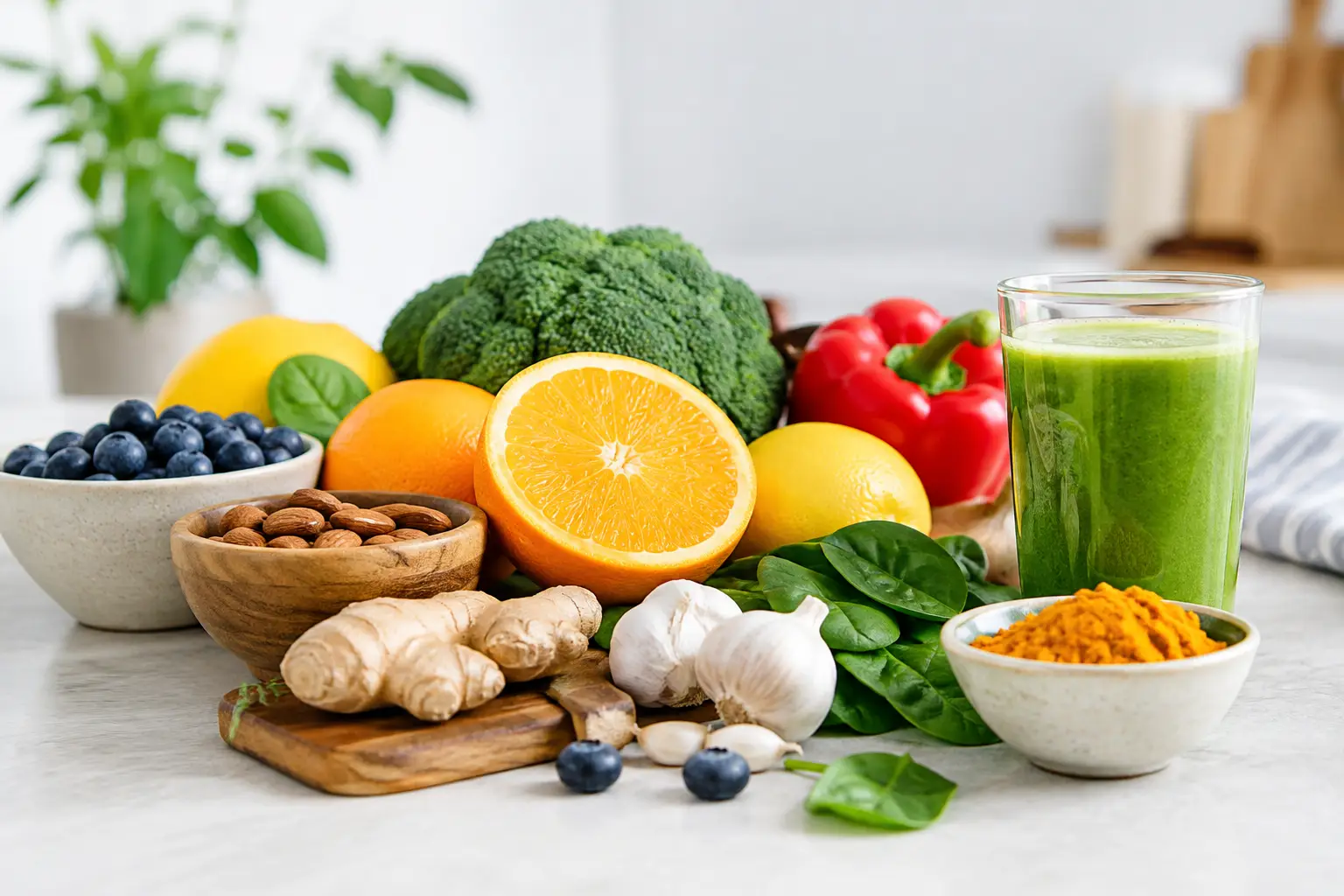

A stressful week, several short nights, and too many meals eaten on the run can leave you wondering whether your body has enough support to handle what comes next. This immune nutrition guide is not about finding one “immunity booster.” It is about building eating patterns that give your immune system the raw materials it uses every day.
Your immune system is always active. It identifies potential threats, coordinates inflammatory responses, creates antibodies, and repairs tissue afterward. Food cannot guarantee you will not get sick, and no smoothie or supplement replaces medical care, vaccines, handwashing, sleep, or treatment when needed. But consistent nutrition can help support normal immune function and recovery capacity over time.
Immune Nutrition Guide: Start With the Basics
The most useful immune-supportive diet is usually less dramatic than social media makes it sound. It looks like enough food, regular meals, a wide range of plant foods, adequate protein, and fewer ultra-processed foods crowding out nutrient-dense choices.
Undereating can be a concern, especially for adults trying to lose weight quickly, following restrictive fasting routines, or simply too busy to eat balanced meals. The immune system requires energy. Constantly skipping meals, cutting protein too low, or relying on coffee until late afternoon can make it harder to meet basic nutrient needs.
At the same time, more is not always better. Mega-doses of vitamins do not create a supercharged immune system. In some cases, high-dose supplements can cause side effects or interfere with medications. The goal is adequacy and consistency, not nutritional extremes.
Build meals around protein
Protein provides amino acids used to build and maintain immune cells, antibodies, enzymes, and body tissues. This matters at every age, but it deserves extra attention after 50, when appetite changes, lower activity, dental issues, or convenience eating can make protein intake slip.
Try to include a meaningful protein source at each meal: eggs, Greek yogurt, cottage cheese, fish, chicken, turkey, tofu, tempeh, beans, lentils, edamame, or lean meat. A bowl of oatmeal is nourishing, but adding yogurt, milk, nuts, seeds, or eggs alongside it makes it more supportive than oatmeal alone.
If you exercise regularly, recover from illness, or eat mostly plant-based, your individual protein needs may be higher. A registered dietitian can help tailor a target to your age, body size, activity level, and health history.
Eat the color, not just the label
“Immune support” on a package is marketing. The stronger clue is often the food itself. Colorful produce supplies vitamin C, carotenoids, polyphenols, potassium, and fiber, while legumes, whole grains, nuts, and seeds provide minerals and plant compounds that many Americans do not get enough of.
Instead of chasing a single superfood, aim for variety across the week. Citrus, kiwi, berries, bell peppers, broccoli, tomatoes, carrots, sweet potatoes, leafy greens, onions, garlic, mushrooms, beans, and oats each bring something different to the table.
Frozen and canned options count. Frozen berries and vegetables are often picked and processed quickly, and canned beans are a practical pantry staple. Choose fruit canned in juice rather than heavy syrup when possible, and rinse canned beans to reduce some of the sodium.
The Nutrients That Matter Most
Nutrition works as a network, but a handful of nutrients come up often because inadequate intake can affect immune function.
Vitamin C supports several immune-cell functions and acts as an antioxidant. Bell peppers, citrus, strawberries, kiwi, broccoli, tomatoes, and potatoes can all contribute. You do not need to drink acidic juice all day to get it. A pepper in a lunch salad and fruit with breakfast can go a long way.
Vitamin D is different because food sources are limited and many people have low levels, particularly during winter, with limited sun exposure, or as they age. Fatty fish, fortified milk or plant milks, and egg yolks provide some vitamin D. If you suspect you are low, ask a clinician whether testing or a supplement makes sense rather than guessing at a high dose.
Zinc helps with normal immune-cell development and wound healing. Oysters are especially rich in zinc, but beef, poultry, dairy, beans, chickpeas, pumpkin seeds, and fortified cereals also help. Plant-based eaters may need to be more intentional because absorption can vary based on the overall diet.
Selenium is needed in small amounts and is easy to overdo with supplements. Seafood, eggs, poultry, whole grains, and Brazil nuts contain selenium. One Brazil nut can contain a lot, so treating them like a daily handful is not always a smart strategy.
Vitamin A and its plant precursor beta-carotene help maintain the barriers that line the respiratory and digestive tracts. Think sweet potatoes, carrots, spinach, kale, eggs, dairy, and orange vegetables. Because preformed vitamin A can be risky at high supplemental doses, food is a safer default for most people.
Your Gut Is Part of the Immune Conversation
A large share of immune activity is connected to the gut. That does not mean every digestive symptom is an “immune problem,” but it does mean your gut environment deserves practical attention.
Fiber feeds beneficial gut microbes, which produce compounds that help support the intestinal barrier and communicate with immune cells. Many adults fall short of fiber because their plates are heavy on refined grains, snack foods, and convenience meals.
Increase fiber gradually if your current intake is low. Add beans to soups, choose oats or high-fiber cereal at breakfast, snack on fruit, and make vegetables part of lunch and dinner. Drinking enough fluids helps, too. A sudden major fiber increase can cause uncomfortable bloating, especially for people with IBS or other digestive conditions.
Fermented foods can be a useful addition if you enjoy them. Yogurt with live cultures, kefir, kimchi, sauerkraut, and miso may support dietary diversity. They are not mandatory, and they are not suitable in unlimited quantities for everyone. Watch sodium in fermented vegetables, and choose unsweetened yogurt or kefir when you can.
Supplements: Useful When They Fill a Real Gap
Supplements can be helpful when food, lifestyle, or a diagnosed deficiency leaves a clear gap. They are less helpful when used as a substitute for meals, sleep, or medical evaluation.
Vitamin D may be appropriate for some people, particularly after a discussion with a clinician. Vitamin B12 is often essential for vegans and may be needed by older adults or people taking certain medications. Zinc lozenges are sometimes used early in a cold, but the evidence is mixed depending on the product and timing, and zinc nasal sprays should be avoided because they have been associated with loss of smell.
Be cautious with proprietary “immune blends.” They may combine herbs, large nutrient doses, and stimulants without making the amounts easy to evaluate. “Natural” does not automatically mean harmless. Medicinal mushrooms, echinacea, elderberry, and other herbs may interact with medications or be inappropriate for people with autoimmune conditions, pregnancy, or certain chronic illnesses.
If you take prescription medications, manage kidney or liver disease, or have an autoimmune condition, get personalized advice before adding an immune supplement. That small step is more protective than buying the most aggressively marketed bottle.
Daily Habits That Make Nutrition Work Better
Food matters, but it works alongside your routine. Chronic short sleep can affect immune regulation, while regular movement supports circulation, metabolic health, and stress management. You do not need punishing workouts. Brisk walks, strength training, cycling, gardening, and mobility work all count.
Alcohol is another practical lever. Frequent heavy drinking can impair immune defenses and disrupt sleep, while even moderate intake may not serve everyone equally. If you drink, consider whether it is affecting your rest, energy, food choices, or recovery.
Stress is not fully controllable, but your response can be shaped. A consistent bedtime, sunlight early in the day, a walk after meals, a few minutes of slow breathing, and keeping simple nourishing foods at home are not glamorous interventions. They are often the ones you can repeat.
Make It Easier This Week
A realistic immune-supportive routine could be as simple as eggs and fruit for breakfast, a bean-and-vegetable soup with whole-grain toast for lunch, salmon or tofu with roasted vegetables for dinner, and yogurt or nuts as a snack. It does not require perfection, expensive powders, or a complete pantry overhaul.
Choose one upgrade that feels sustainable: add a vegetable to lunch, replace one packaged snack with fruit and protein, cook a pot of beans, or set a reminder to take the vitamin your clinician recommended. Immune health is built through ordinary choices repeated long enough to matter.